
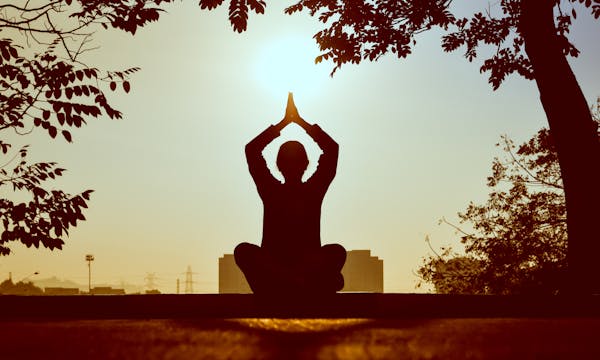
What is Mindfulness?
Mindfulness is the practice of focusing your attention on the present moment. It’s about paying full attention to what’s happening right now, instead of thinking about the past or worrying about the future. You focus on things like your breathing, what you see, hear, and feel in the present. Mindfulness helps you become more aware of your thoughts, feelings, and body, without judging them.In simple terms, mindfulness is about being present and not letting your mind wander off to other places. It’s something anyone can do and doesn’t require any special skills or equipment.
How Does Mindfulness Affect Your Brain?
Mindfulness has some amazing effects on your brain. When you practice mindfulness, it helps strengthen the part of your brain that helps you make decisions, control your emotions, and stay focused. This area is called the prefrontal cortex. Mindfulness also calms down another part of the brain called the amygdala, which is responsible for feelings like fear and stress. When the amygdala is less active, you feel less anxious or afraid, making it easier to stay calm in difficult situations. Research has shown that mindfulness can even change the structure of your brain. For example, it can make the hippocampus (the part of the brain responsible for memory) bigger. This helps improve your ability to learn, remember things, and focus.
How Mindfulness Helps Reduce Stress
One of the main benefits of mindfulness is that it helps reduce stress. When we’re stressed, our body produces a hormone called cortisol. While cortisol is important in short bursts, too much of it can harm our health. It can lead to problems like anxiety, poor sleep, and weight gain. Mindfulness helps to lower cortisol levels, which means your body becomes better at handling stress. By staying in the present moment and focusing on your breath or surroundings, mindfulness helps you feel more relaxed, even during challenging times.
The Physical Health Benefits of Mindfulness
Mindfulness doesn’t just improve your mind; it also improves your body. Studies show that mindfulness can:
- Lower blood pressure: Regular mindfulness practice can help reduce blood pressure, leading to better heart health.
- Relieve pain: Mindfulness can help people manage chronic pain by changing how their brain responds to pain signals.
- Improve digestion: Mindfulness lowers stress, which can help reduce stomach problems caused by anxiety.
Mindfulness and Sanatan Dharma (Hindu Philosophy)
Mindfulness is not just a modern practice; its roots can also be traced back to ancient traditions. In Sanatan Dharma (Hinduism), many spiritual practices focus on being present and aware. For example, meditation and yoga, which are key practices in Sanatan Dharma, teach us to calm the mind, focus our attention, and live in the present moment. In ancient Hindu scriptures like the Bhagavad Gita and Upanishads, there is a lot of emphasis on mindfulness-like practices. The Bhagavad Gita talks about the importance of self-awareness and being fully present in your actions. It encourages people to stay calm, focused, and detached from the outcome of their efforts. This is very similar to modern mindfulness practices, which help people remain calm and focused in their everyday lives. Even the practice of yoga in Sanatan Dharma is deeply connected with mindfulness. In yoga, the focus is on the breath and the body, helping practitioners become more aware of their present experiences. This ancient practice aligns with what we now know as mindfulness, which benefits both the mind and body.
Mindfulness in India: A Case Study
Mindfulness is gaining popularity in India, and many people are turning to it to improve their mental health. In one case study conducted by the National Institute of Mental Health and Neurosciences (NIMHANS) in Bengaluru, researchers studied the impact of mindfulness meditation on patients with anxiety and depression. The participants practiced mindfulness for just eight weeks. At the end of the study, they reported feeling much less anxious and depressed. They said they felt more relaxed, focused, and able to handle stress better. The study showed that mindfulness meditation could help people with mental health challenges feel better, both mentally and physically. This study from India shows how mindfulness is helping people in a country that has a long tradition of meditation and self-awareness practices. It proves that mindfulness can be an effective tool for improving mental health and emotional well-being.
How to Start Practicing Mindfulness
You don’t need to spend hours meditating to experience the benefits of mindfulness. Here are some easy ways to get started:
- Focus on your breath: Find a quiet place, sit comfortably, and pay attention to your breath. Feel the air going in and out of your body. If your mind starts to wander, gently bring your focus back to your breath.
- Mindful walking: Take a walk and pay attention to what’s around you. Notice the sounds, sights, and smells. Focus on the sensation of your feet touching the ground.
- Body scan: Lie down or sit comfortably and slowly bring your attention to each part of your body. Start from your head and move down to your toes, noticing any areas of tension and relaxing them.
- Mindful eating: When eating, focus on the taste, texture, and smell of your food. Eat slowly, without distractions like your phone or TV.