
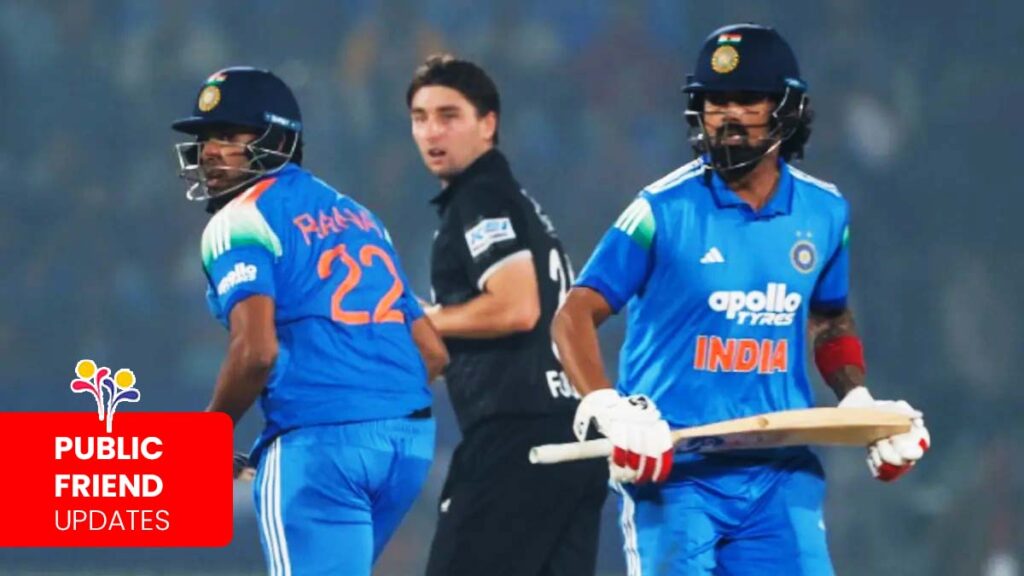
High Pressure Cricket Matches are often decided in the middle overs. Here’s how calm batting, smart bowling, and fielding intensity shape big results.
In modern cricket, high-pressure matches are rarely decided in the opening overs or the final flourish alone. More often than not, it is the middle phase of the game—when the ball stops swinging, the crowd settles, and decision-making is tested—that defines the outcome.
Whether it is an international ODI, a WPL clash, or a must-win league encounter, teams that control the middle overs usually walk away with the result.
The Middle Overs: Cricket’s Silent Battlefield
The middle overs, typically between overs 15 and 40 in ODIs, are where matches quietly shift direction. Batters aim to rotate strike, bowlers look for subtle variations, and captains constantly adjust field placements.
This phase does not always produce dramatic moments, but it builds pressure. A quiet spell can frustrate the chasing side, while a smart partnership can undo early damage for the team batting first.
In high-pressure games, composure during this phase separates winning teams from competitive ones.
Batting Under Pressure: Patience Over Power
When wickets fall early, batters often face the temptation to counterattack. However, experienced players understand the value of time at the crease.
Singles, twos, and calculated risks help stabilize innings. Players who read the field well and choose the right bowlers to target often turn difficult situations into match-winning platforms.
Recent matches have shown that centuries built patiently are often more valuable than quick starts followed by collapses.
Bowling Strategy: Control Is Key
For bowlers, the middle overs are about discipline. Containing runs can be just as effective as taking wickets. Tight lines, slower deliveries, and changes in pace force batters into mistakes.
Spinners play a crucial role here, especially on surfaces that offer grip. Even without wickets, dot balls increase pressure and shift momentum.
Captains who manage their bowlers smartly during this phase often control the tempo of the match.
Fielding: The Hidden Difference
In close contests, fielding becomes decisive. A saved boundary, a sharp catch, or a direct hit can change the course of the game.
High-pressure matches expose teams that lack intensity in the field. On the other hand, athletic fielding units build pressure without the ball, forcing errors from the opposition.
Lessons for Teams and Fans
High-pressure cricket is not just about big shots or fiery spells. It is about:
- Staying calm when momentum shifts
- Making smart decisions under stress
- Trusting processes rather than chasing instant results
Fans often remember the final moments, but matches are usually won much earlier—quietly, patiently, and strategically.
Why These Matches Stay Memorable
Matches decided through control rather than chaos leave a lasting impression. They highlight leadership, game awareness, and mental strength—qualities that define great teams.
As cricket continues to evolve across formats, mastering pressure moments will remain the ultimate test.