
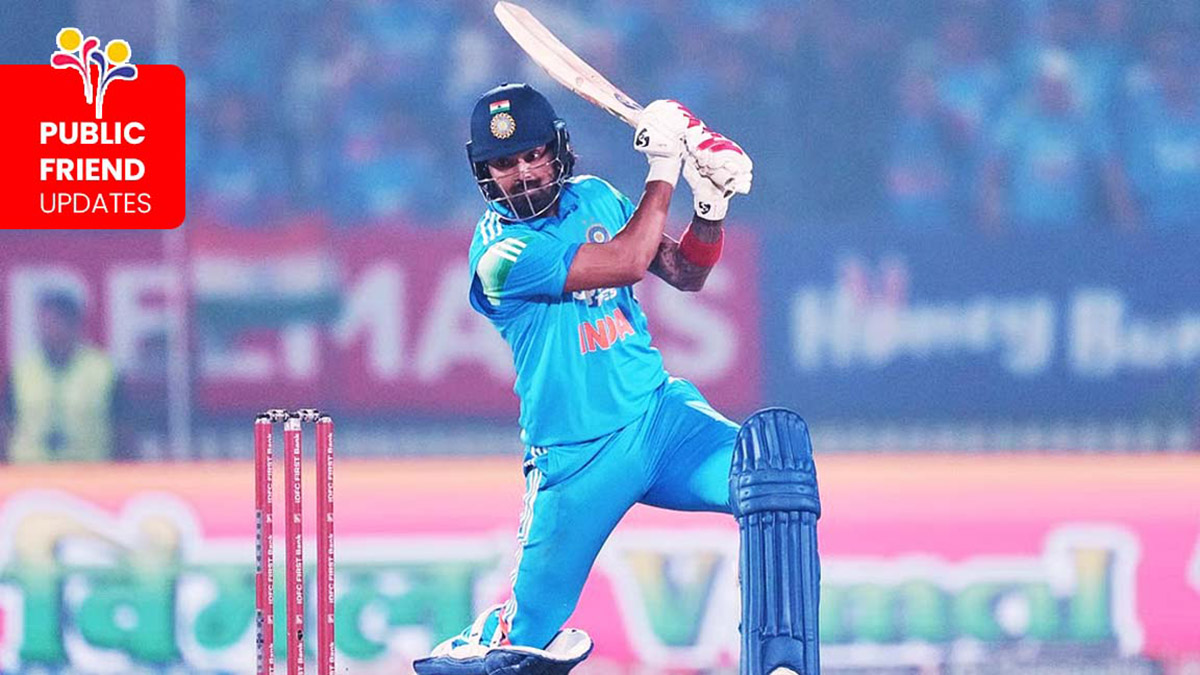
Big cricket matches are rarely decided by talent alone. At the highest level, every player is skilled, every team is prepared, and every strategy is carefully planned. What truly separates victory from defeat is how teams handle pressure, apply precision, and respond to turning points when the game is on the line.
Whether it is an international fixture, an IPL playoff, or a high-stakes WPL encounter, the pattern remains the same. When pressure rises, mistakes become costly, decisions are magnified, and moments that seem small at first often end up defining the outcome.
This is the story of how big matches are won—not in highlight reels alone, but in the quiet, intense moments where composure matters most.
The Nature of Pressure in Big Matches
Pressure in cricket does not arrive suddenly. It builds slowly—over overs, sessions, and passages of play. A packed stadium, millions watching on screens, and the weight of expectations create an environment where even experienced players feel the tension.
In high-profile tournaments like the IPL and WPL, pressure is amplified further. Short formats leave little room for recovery. One poor over, one misjudged shot, or one dropped catch can change the direction of the match.
What defines successful teams is not the absence of pressure, but the ability to operate effectively within it.
Precision: The Small Margins That Matter
In close matches, precision often outweighs power. Bowlers focus on hitting exact lengths rather than chasing wickets recklessly. Batters prioritize placement over force. Fielders concentrate on clean stops and sharp throws instead of flashy efforts.
A single well-executed yorker, a perfectly timed single, or a disciplined defensive over can quietly shift momentum. These moments may not dominate headlines, but they create the platform for success.
Precision is also visible in decision-making:
- Choosing when to attack and when to defend
- Reading conditions accurately
- Adjusting plans mid-match
Teams that consistently win big matches are usually the ones that make fewer errors under pressure.
Turning Points: When the Match Changes Direction
Every memorable match has at least one turning point. It could be:
- A wicket just when a partnership was settling
- A boundary that releases pressure
- A missed opportunity that changes belief
These moments are often brief, but their impact is lasting.
What makes turning points significant is not just the action itself, but how teams respond afterward. A calm response can limit damage. A panicked reaction can cause collapse.
In IPL and WPL matches especially, momentum shifts quickly. Teams that recognize turning points early—and respond with clarity—often regain control.
Leadership Under Pressure
Leadership plays a central role in high-pressure games. Captains are required to read the game, manage resources, and support players emotionally—all while dealing with their own performance demands.
Good leaders do not overreact. They trust preparation and back their players even after setbacks. A timely bowling change, a subtle field adjustment, or a quiet word to a struggling teammate can stabilize the team.
In modern cricket, leadership is less about authority and more about calm communication.
The Role of Experience and Youth
High-pressure matches often highlight the contrast between experience and youth. Experienced players bring calmness and clarity. Younger players bring energy and fearlessness.
In IPL and WPL matches, teams that balance these qualities tend to perform better. Youthful enthusiasm can shift momentum, while experience ensures that pressure moments are handled wisely.
When young players succeed under pressure, it not only changes the match—it can shape careers.
Mental Strength: The Hidden Skill
Mental strength is difficult to measure, but it is often the deciding factor in big matches. The ability to:
- Reset after a mistake
- Stay focused despite noise and expectations
- Execute plans when fatigue sets in
These skills are developed over time and tested most severely when stakes are highest.
Teams that prepare mentally, not just physically, are better equipped to face critical moments. This preparation is visible in body language, communication, and decision-making.
Why Fans Remember Pressure Matches
Fans rarely remember routine victories. What stays in memory are matches where tension was constant and outcomes uncertain until the final moments.
Close contests resonate because they reflect human emotion—hope, fear, resilience, and relief. IPL and WPL matches with narrow margins attract higher engagement because they offer drama rooted in genuine competition.
For fans, pressure matches are not just entertainment; they are experiences.
Lessons from IPL and WPL High-Pressure Games
The IPL and WPL have provided countless examples of how pressure shapes outcomes. Tight chases, last-over finishes, and unexpected heroes are common themes.
These leagues have shown that:
- Preparation matters more than reputation
- Composure is a competitive advantage
- Opportunity often arrives in moments of stress
As women’s cricket continues to grow through the WPL, the quality of pressure handling has become increasingly impressive, adding depth and credibility to the league.
Conclusion: Winning Beyond Skill
Big matches are won not by moments of brilliance alone, but by consistent decision-making, emotional control, and collective discipline. Pressure exposes weaknesses but also reveals character.
As cricket continues to evolve, the ability to manage pressure will remain central to success—across formats, leagues, and generations.
In the end, it is not just runs and wickets that decide outcomes, but how teams respond when the game demands its most difficult answers.