
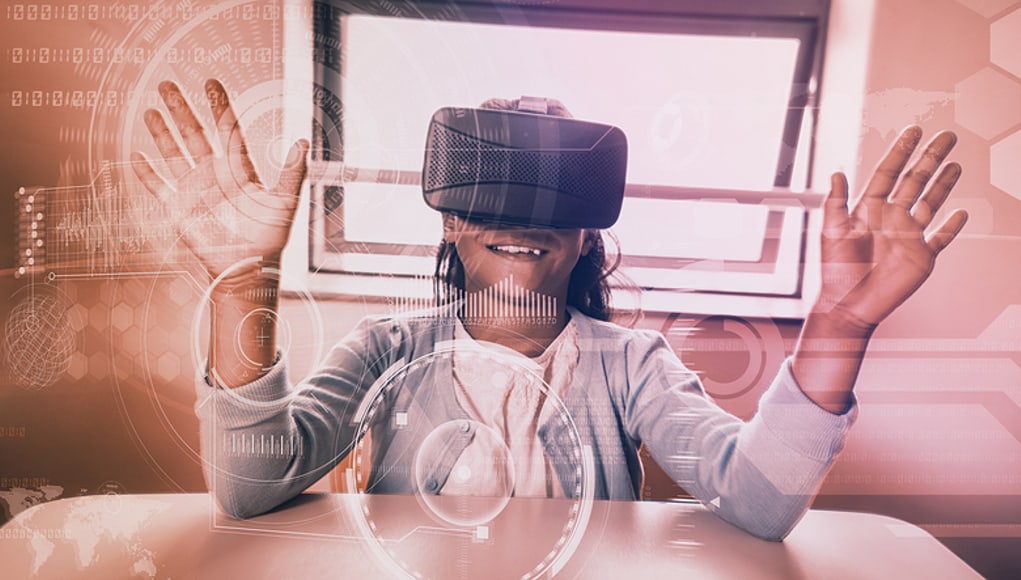
Virtual reality (VR) has come a long way since its inception in the 1960s. From its humble beginnings as a tool for gaming and entertainment, VR has evolved into a powerful technology with applications in various fields, including education, healthcare, and beyond. In this blog, we’ll explore the evolution of virtual reality, its current state, and its potential to revolutionize the way we learn and interact with the world.
The Early Days of Virtual Reality
The concept of virtual reality dates back to the 1960s, when computer scientists and engineers began experimenting with head-mounted displays (HMDs) and other devices that could simulate immersive environments. In the 1980s and 1990s, VR technology started to gain traction in the gaming industry. Companies like Sega and Nintendo released VR headsets and games that allowed players to experience immersive, 3D environments.
The Resurgence of Virtual Reality
In 2010, Palmer Luckey, a young entrepreneur and gamer, created the first prototype of the Oculus Rift, a PC-based VR headset. The Oculus Rift was designed specifically for gaming, but it also sparked a renewed interest in VR technology. In 2014, Facebook acquired Oculus VR, the company behind the Oculus Rift, for $2 billion. This acquisition marked a significant turning point in the evolution of VR, as it brought together the resources and expertise needed to develop more advanced VR technology.
The Current State of Virtual Reality
Today, VR technology is more advanced and accessible than ever before. Modern VR headsets like the Oculus Quest, HTC Vive, and PlayStation VR offer high-resolution displays, motion tracking, and advanced controllers that allow users to interact with virtual environments in a more immersive and intuitive way.
VR is no longer just for gaming; it’s being used in a wide range of applications, including:
- Education: VR is being used to create interactive, immersive learning experiences that make complex concepts more engaging and accessible.
- Healthcare: VR is being used to treat anxiety disorders, PTSD, and other mental health conditions. It’s also being used to train medical professionals and simulate surgeries.
- Architecture: VR is being used to create immersive, interactive models of buildings and spaces, allowing architects and designers to visualize and test their designs in a more realistic way.
- Travel: VR is being used to create immersive, interactive travel experiences that allow people to explore destinations and cultures in a more engaging and accessible way.
The Future of Virtual Reality
As VR technology continues to evolve, we can expect to see even more innovative applications across various industries. Some potential developments on the horizon include:
- Advanced haptic feedback: Next-generation VR headsets will include advanced haptic feedback systems that allow users to feel tactile sensations in virtual environments.
- Social VR: Social VR platforms will enable users to interact with each other in virtual environments, creating new opportunities for socialization, collaboration, and community-building.
- Augmented reality (AR): AR technology, which overlays virtual information and objects onto the real world, will become increasingly important in industries like education, healthcare, and manufacturing.
- 5G and cloud-based VR: The advent of 5G networks and cloud-based VR technology will enable faster, more seamless VR experiences that can be accessed from anywhere.
The evolution of virtual reality has been a remarkable journey, from its humble beginnings in gaming to its current applications in education, healthcare, and beyond. As VR technology continues to advance, we can expect to see even more innovative applications that transform the way we live, work, and interact with the world.